CHERY CONTENT ENGINE
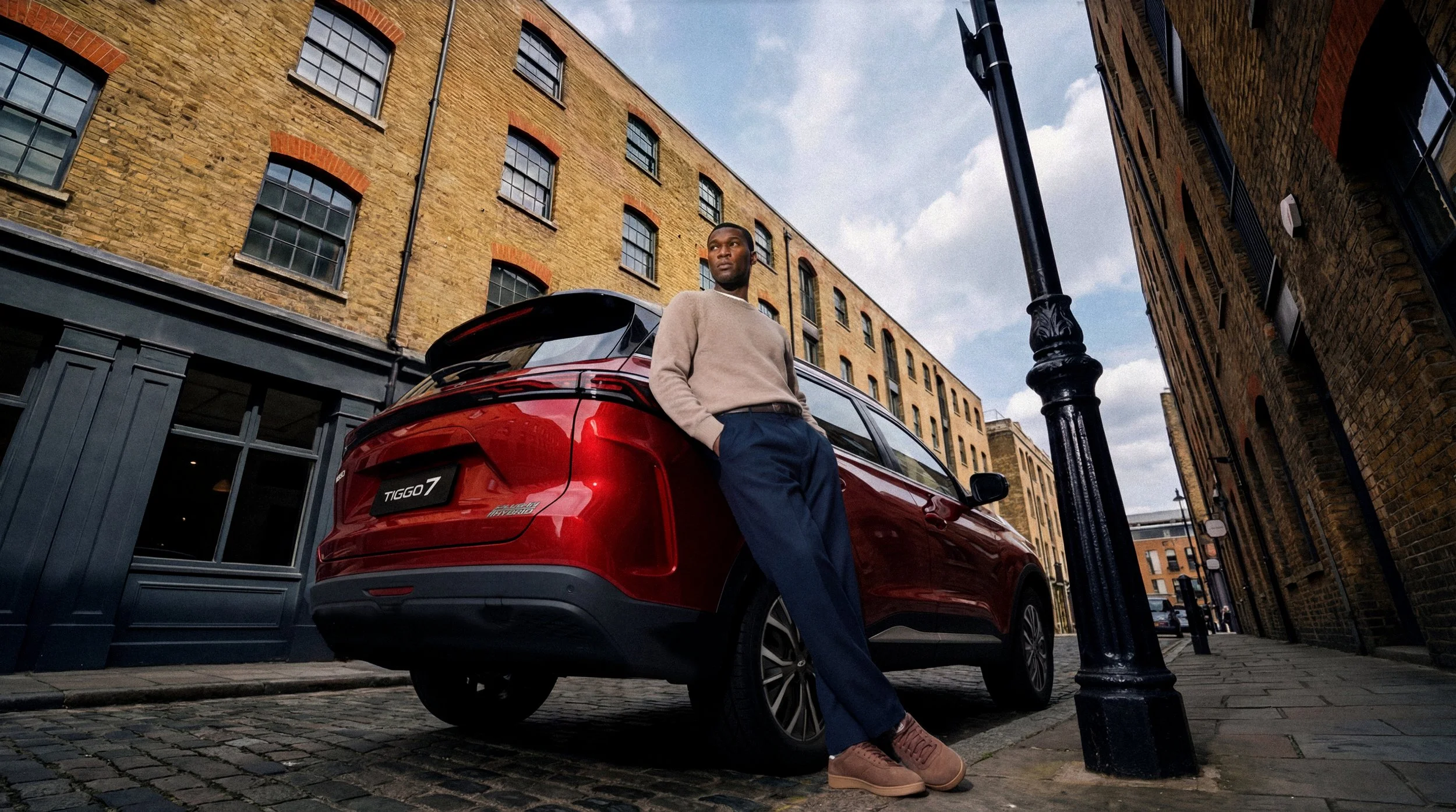
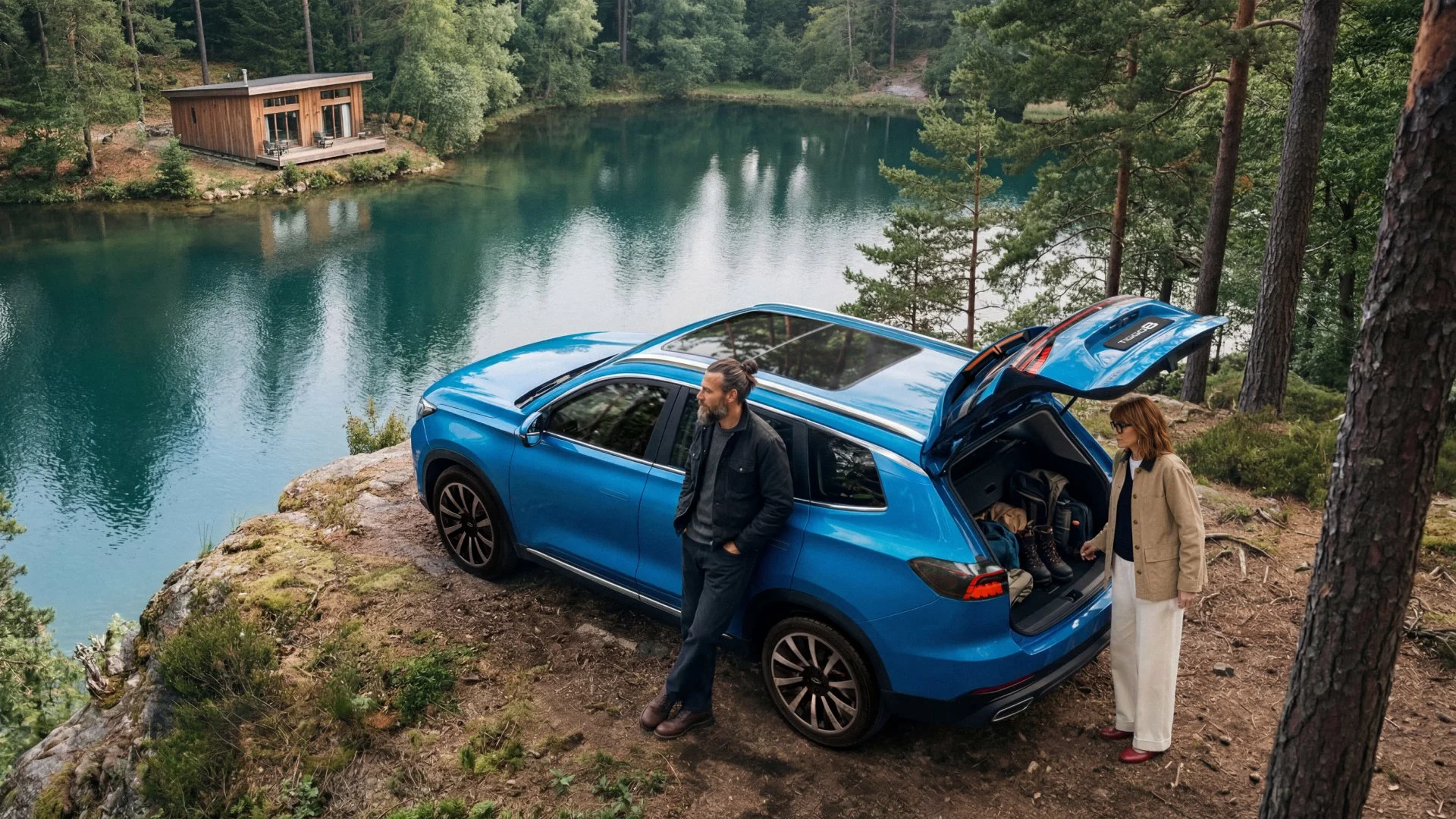
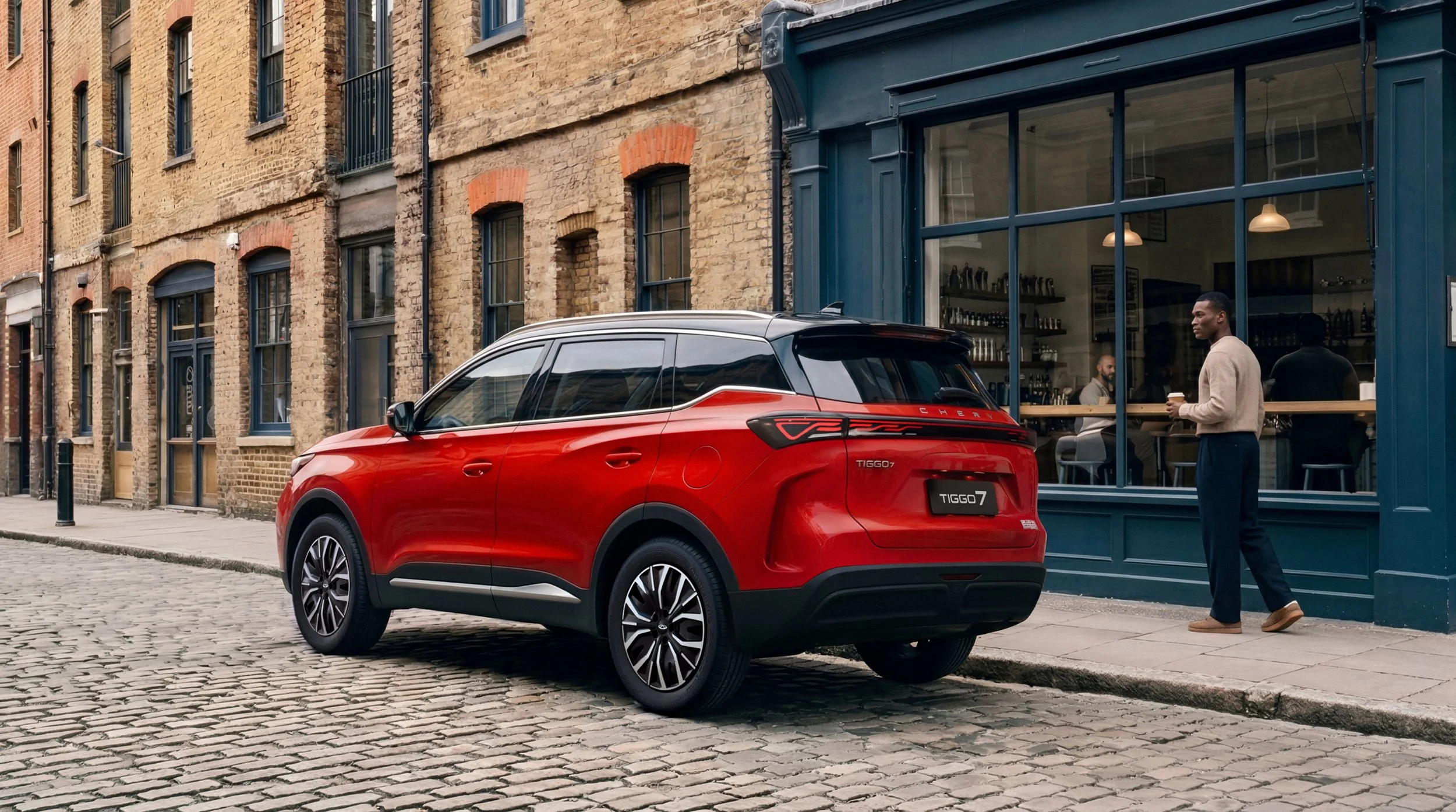
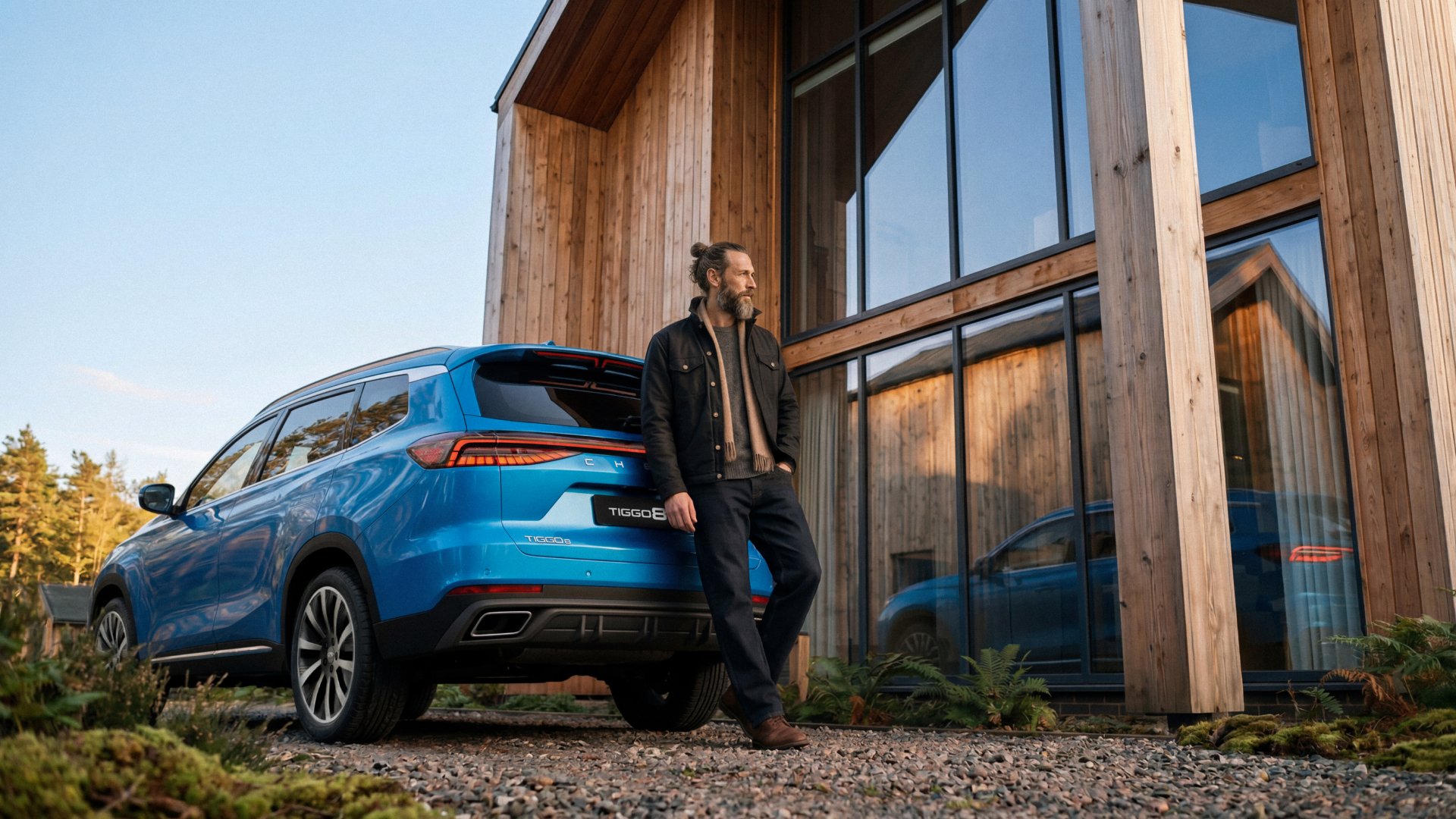
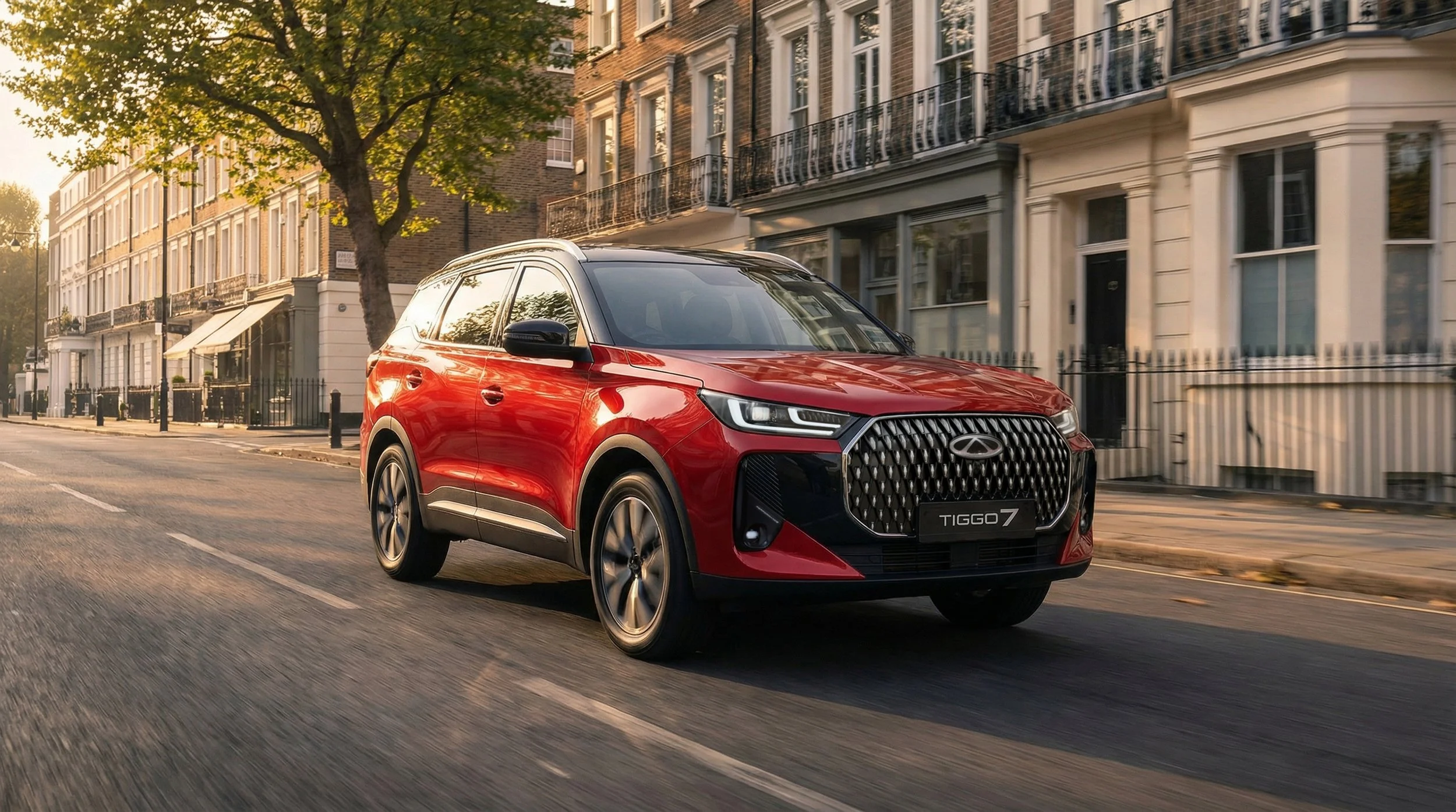
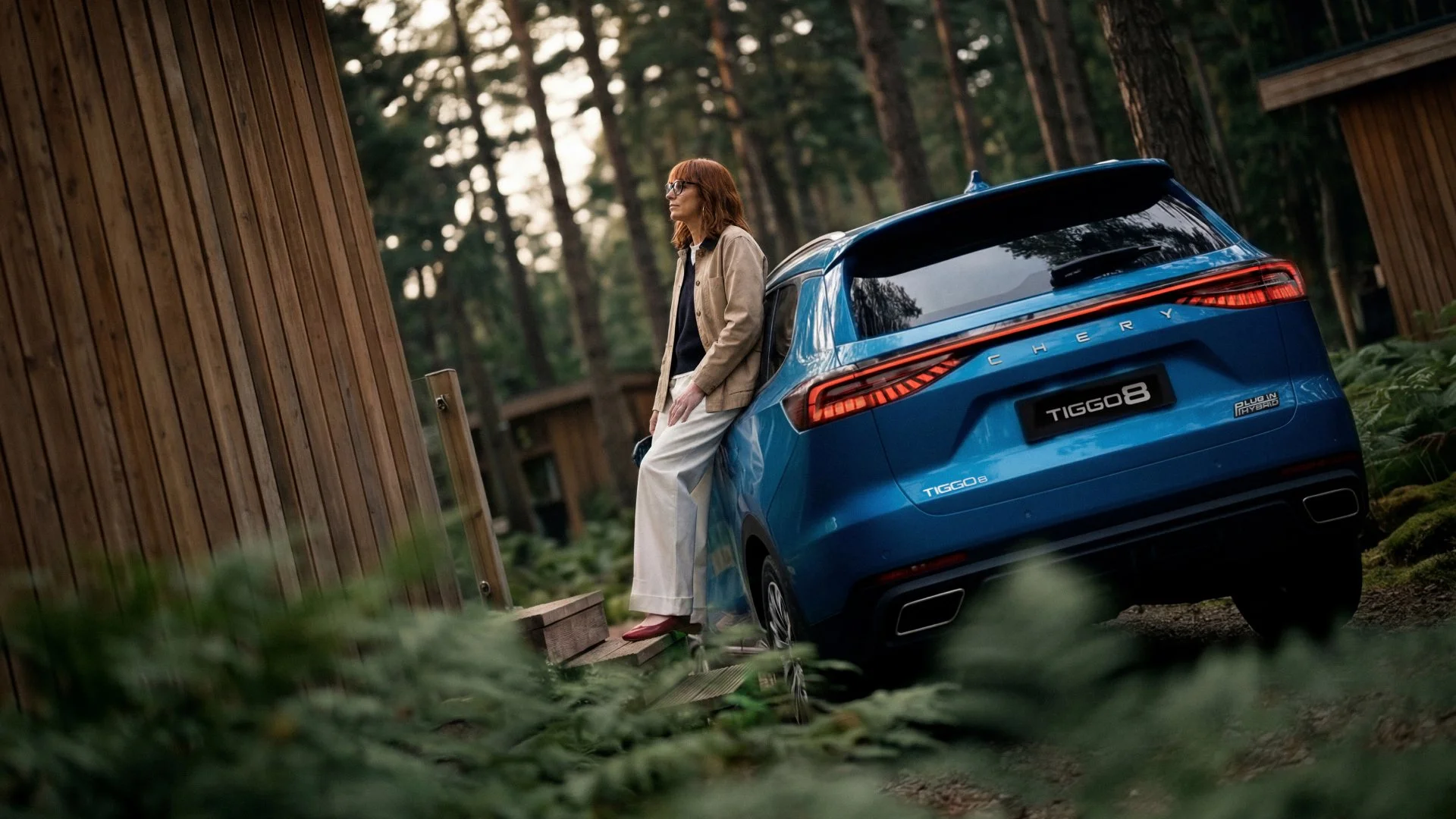
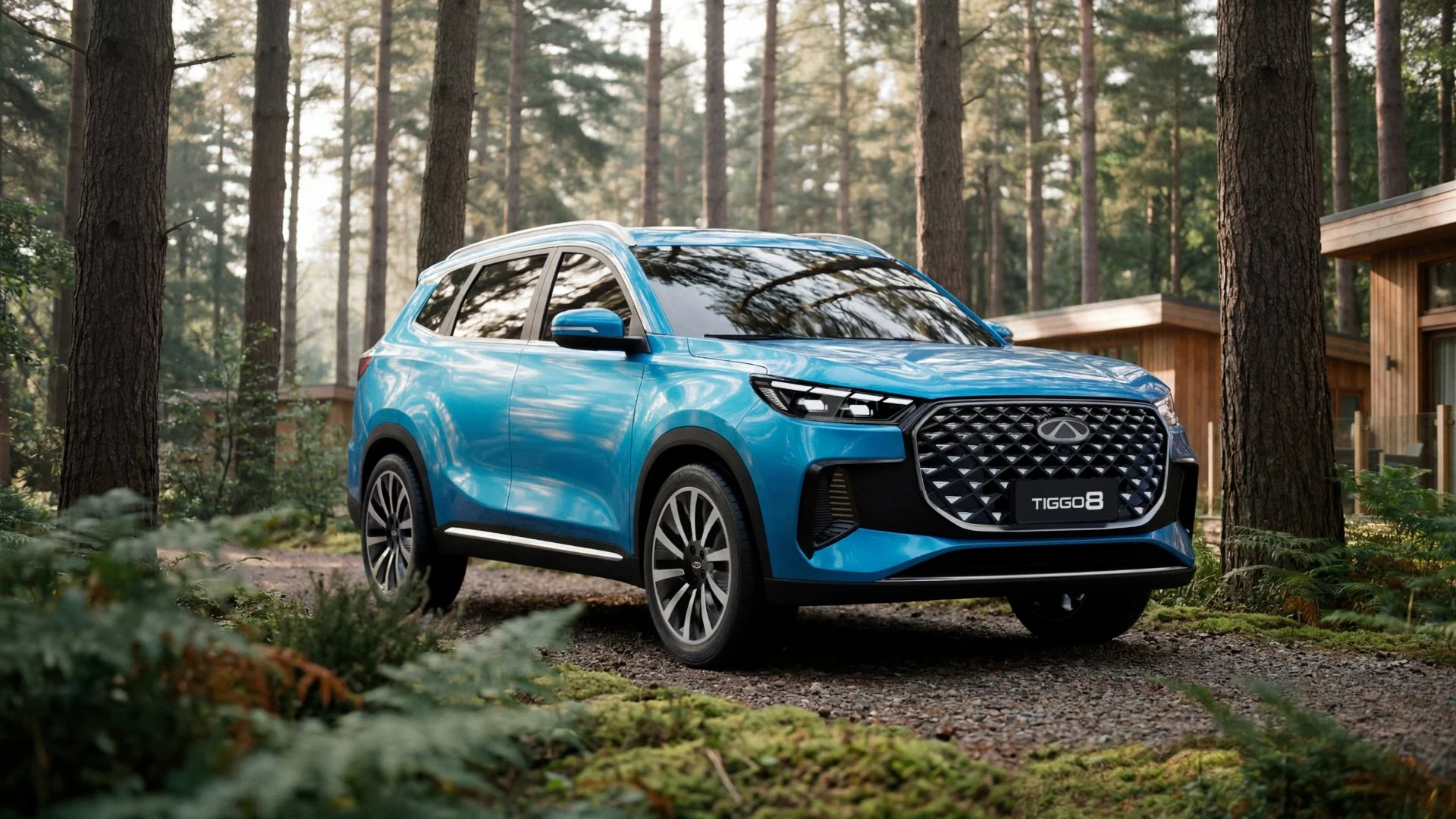
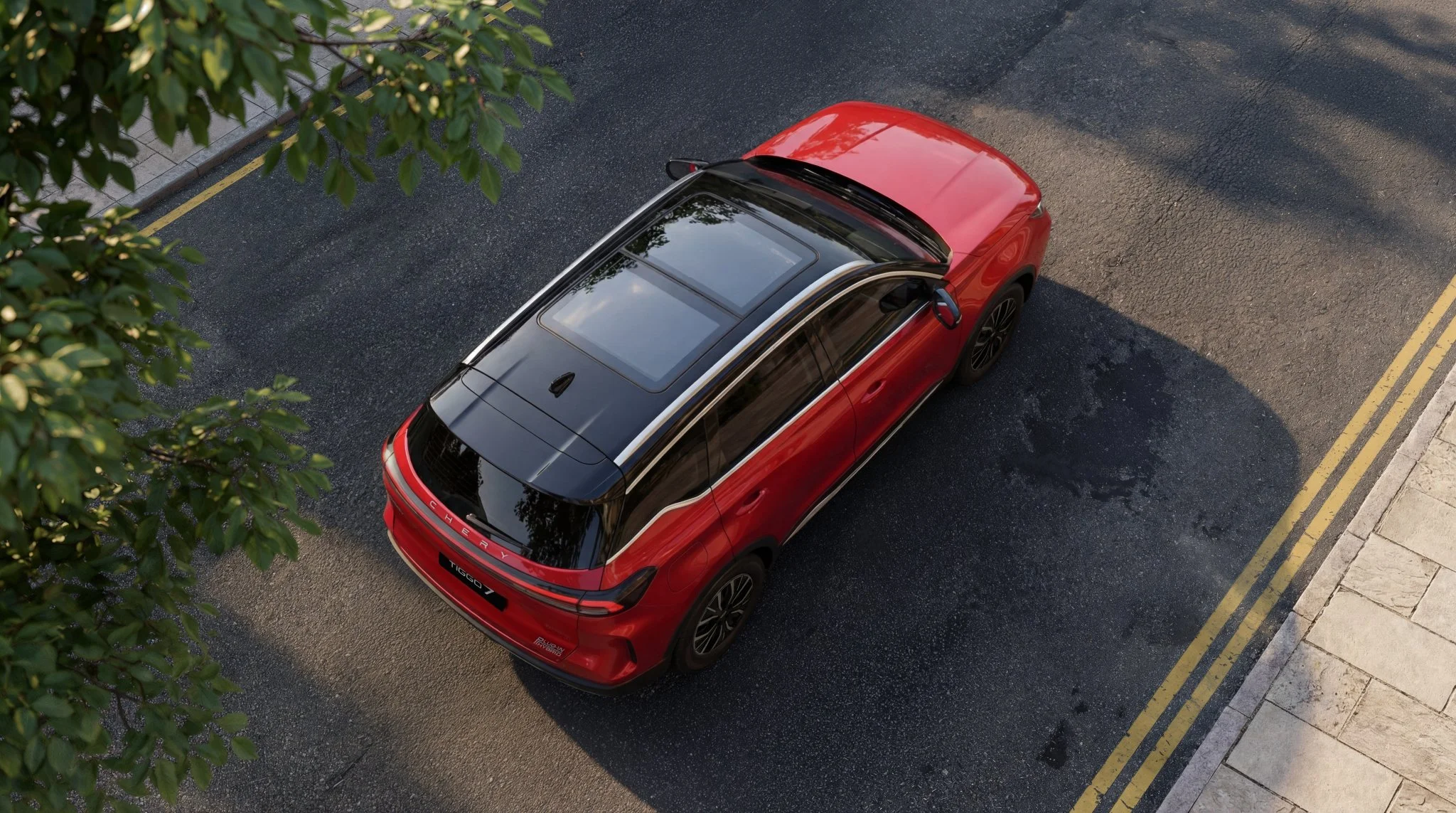
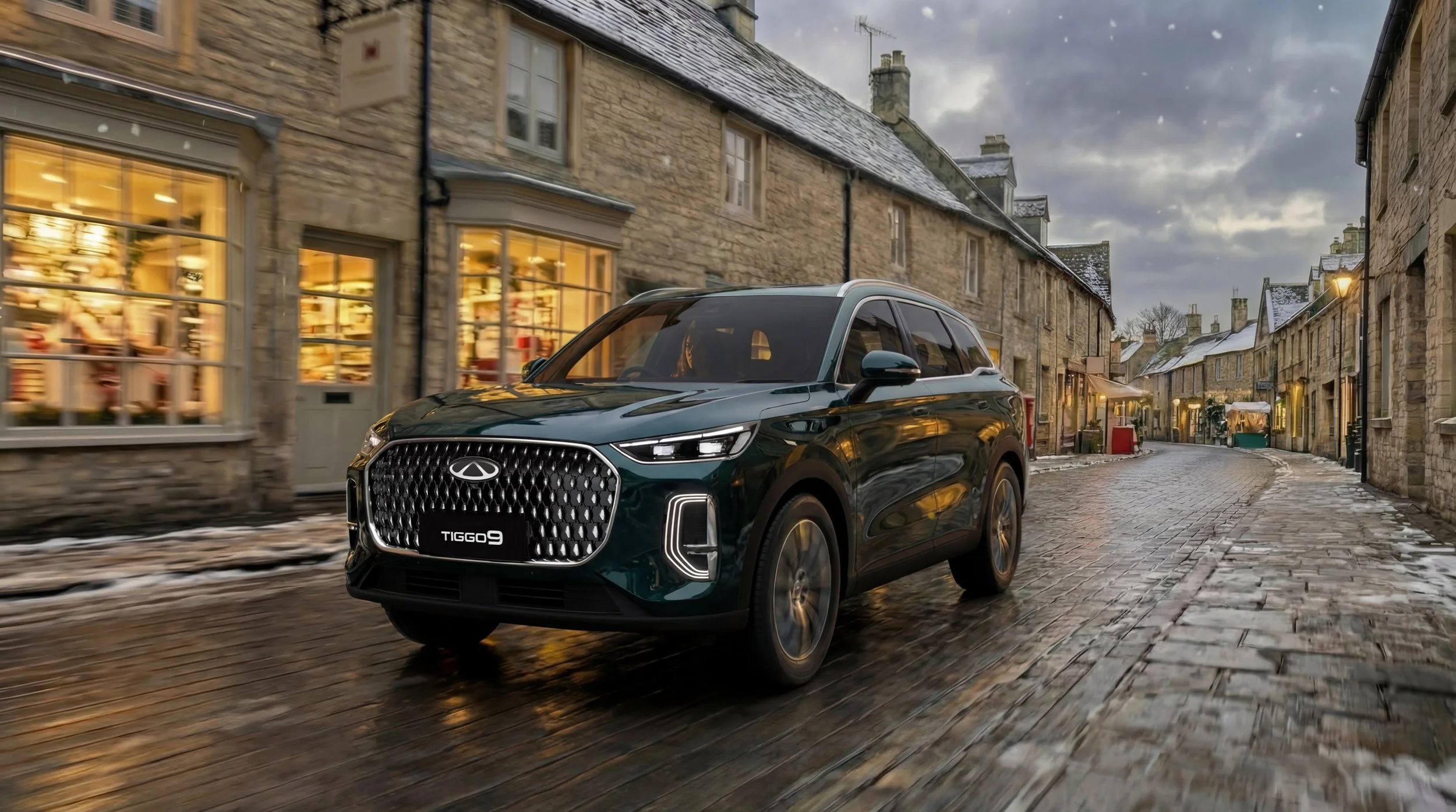
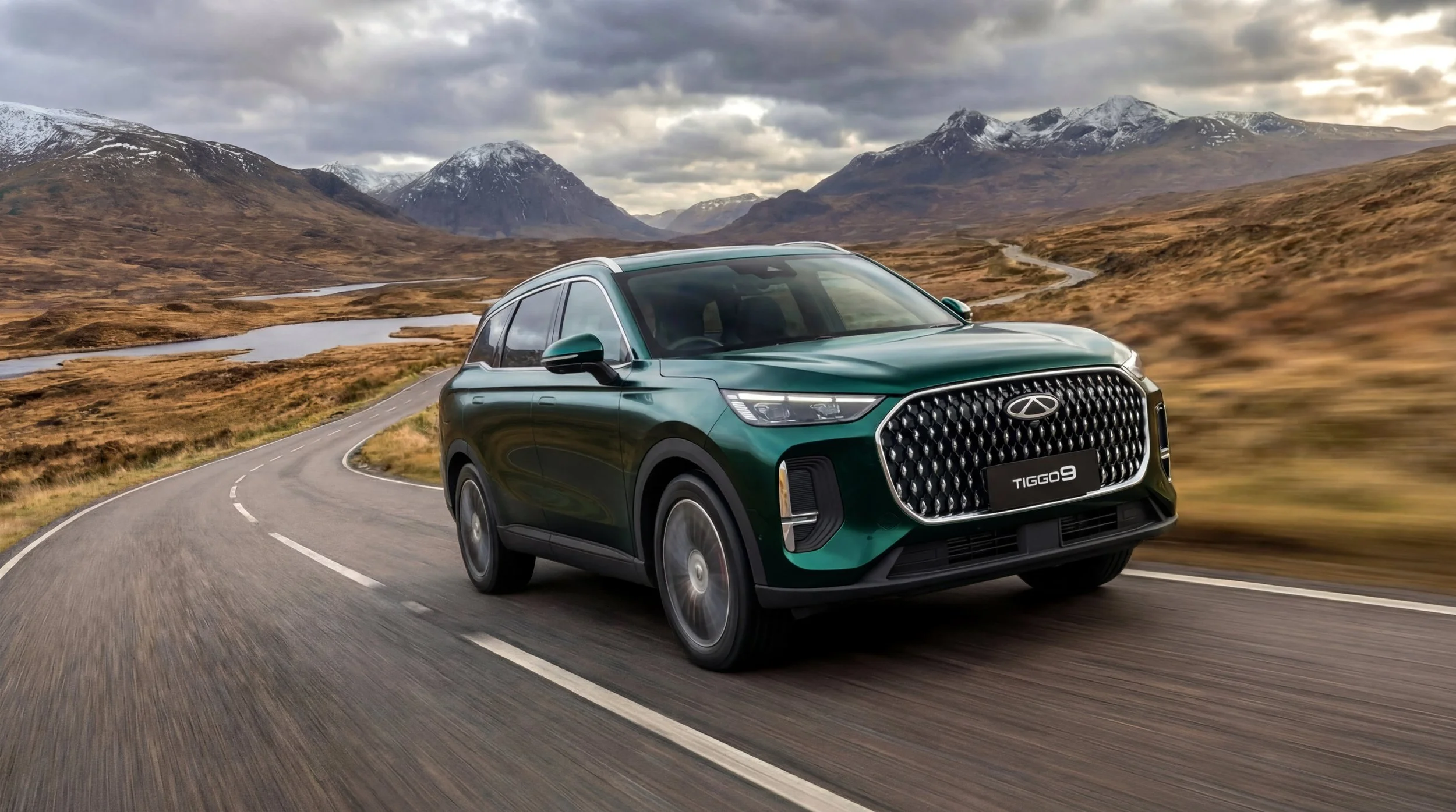
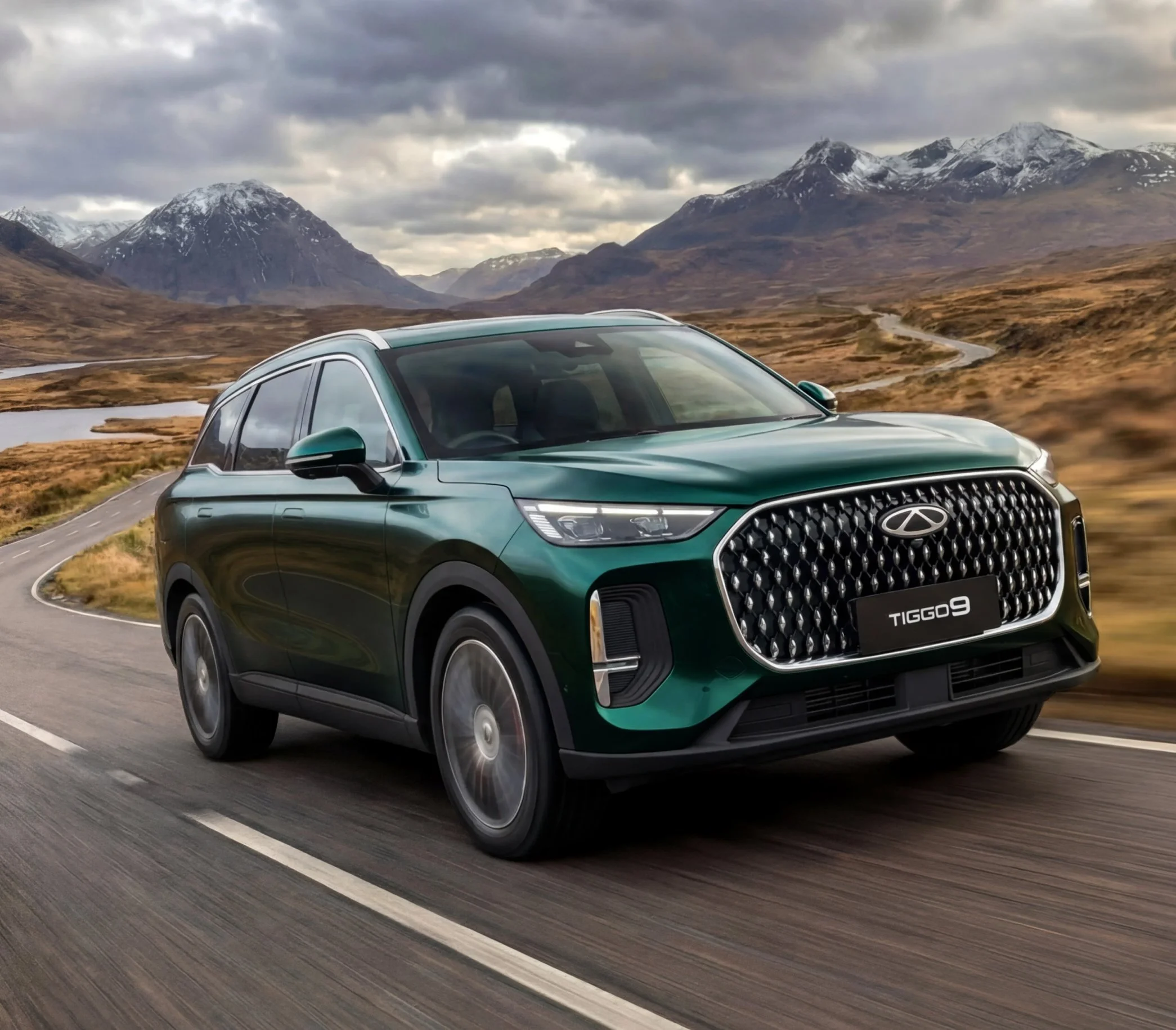
A scalable content system developed for Chery's UK market entry, combining 3D, photogrammetry, Gaussian splat capture, and AI generation to produce broadcast-quality automotive assets without dependency on a live production shoot. Built and stress-tested across a year of live briefs, the system grew directly from the creative and technical foundations established during the original pitchand Phase 1 of the engagement.
Concept
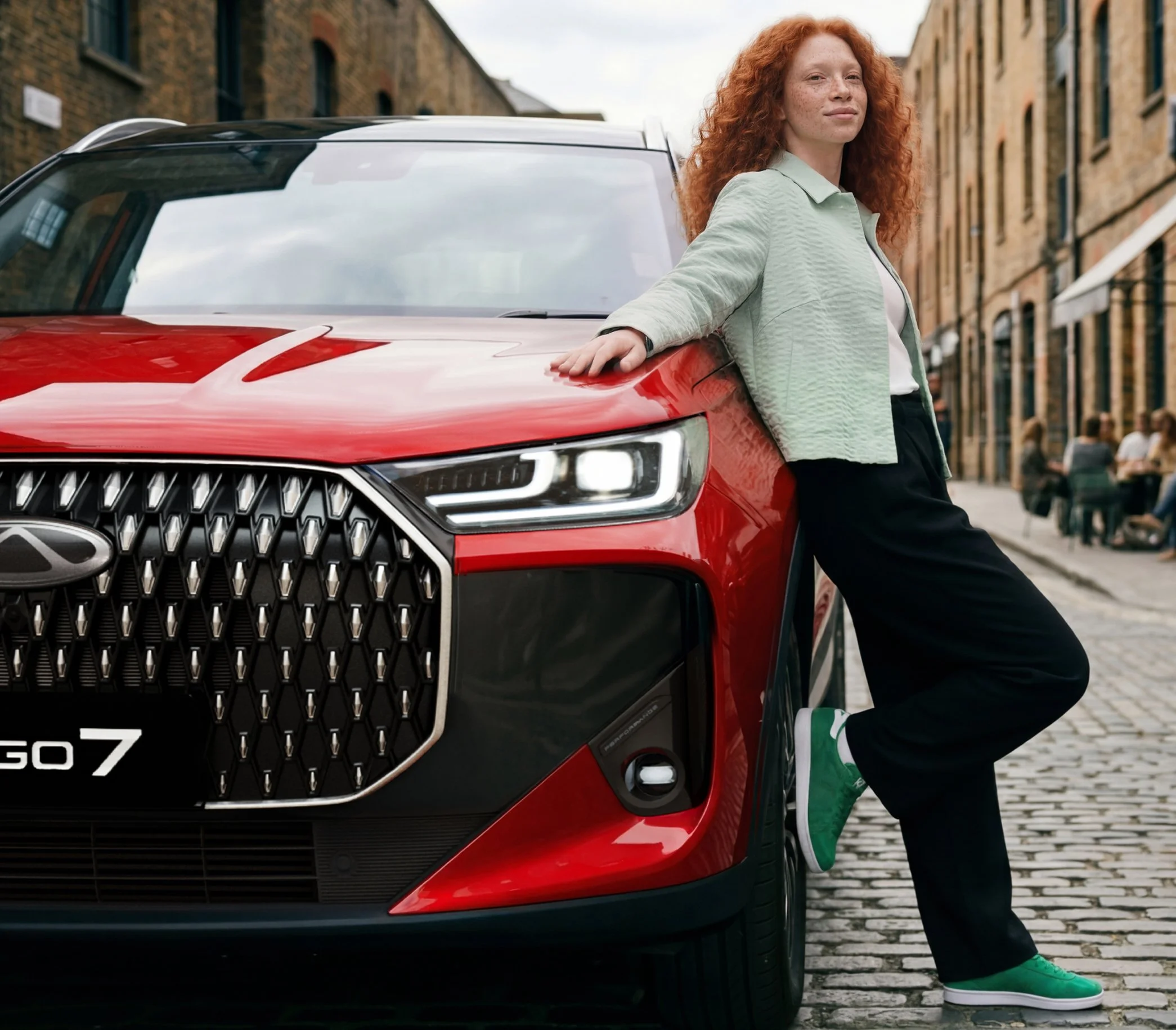
Solving a structural production problem: Chery entered the UK market with limited existing assets, a full campaign calendar, and the same commercial pressure as any established automotive brand. The conventional answer, a series of expensive, logistically complex live shoots, was neither agile nor economical enough to sustain a brand still defining its visual identity in a new market. The brief was to develop a methodology that could generate pixel-accurate, broadcast-quality content across formats, on demand, with full creative control.
Critically, this wasn't a static solution. AI image and video generation was maturing in real time throughout the project, and a core part of the work was making ongoing judgements about where generated output was sufficient and where 3D or photography needed to carry the load, balancing creative ambition against the genuine limitations of the technology at any given point. The methodology evolved alongside the tools.
Design
End-to-end creative and technical ownership: The content system was built on a combination of commercially available tools used in a deliberately integrated way — real photography, Cinema 4D, photogrammetry, Gaussian splat capture, and AI generation working in sequence rather than in parallel. Reference capture, including photogrammetry and Gaussian splat data, was shot directly, ensuring the 3D foundation of every asset was grounded in accurate real-world product data. This gave the system its defining quality: pixel-perfect vehicle representation without a live shoot.
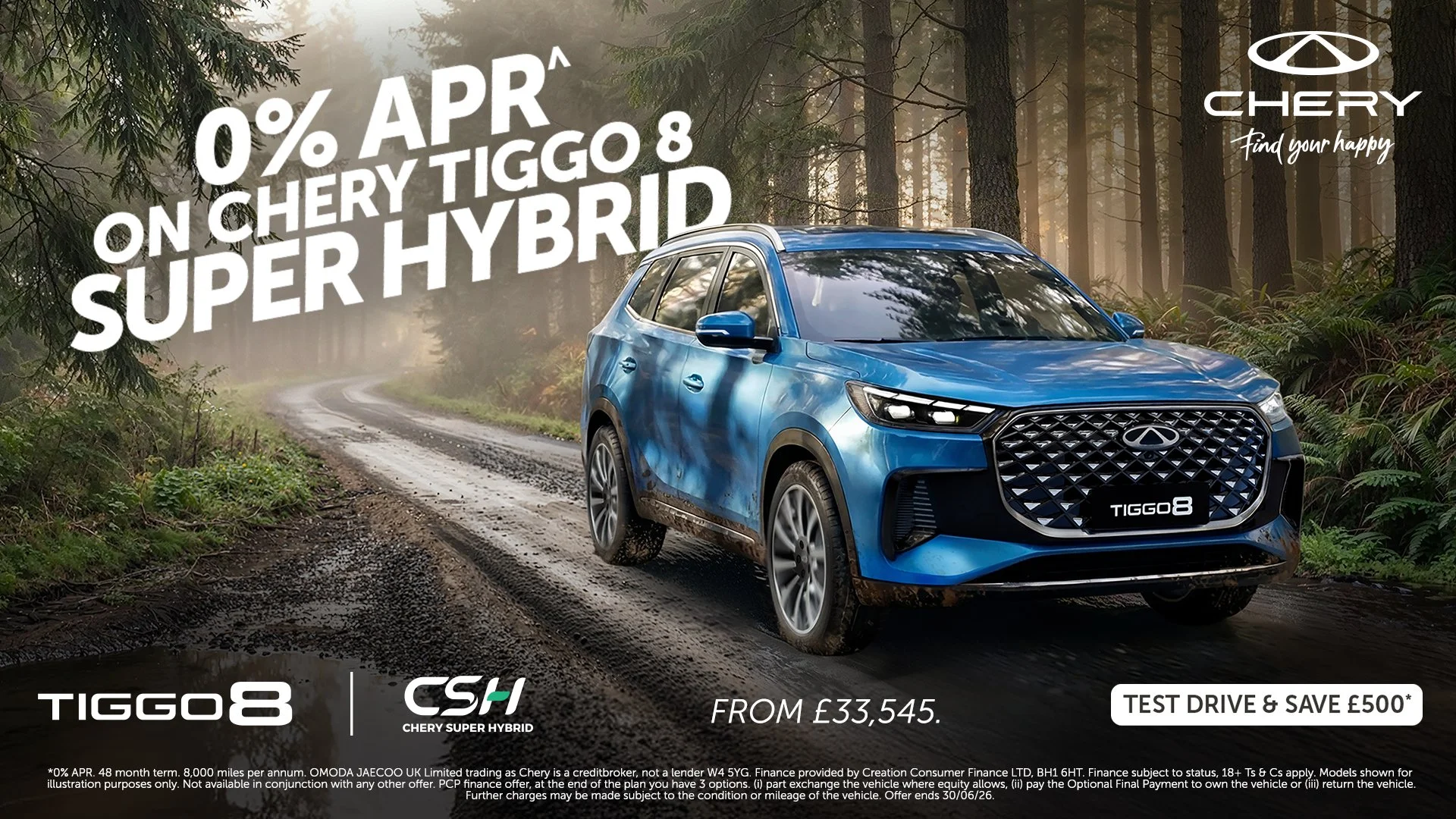
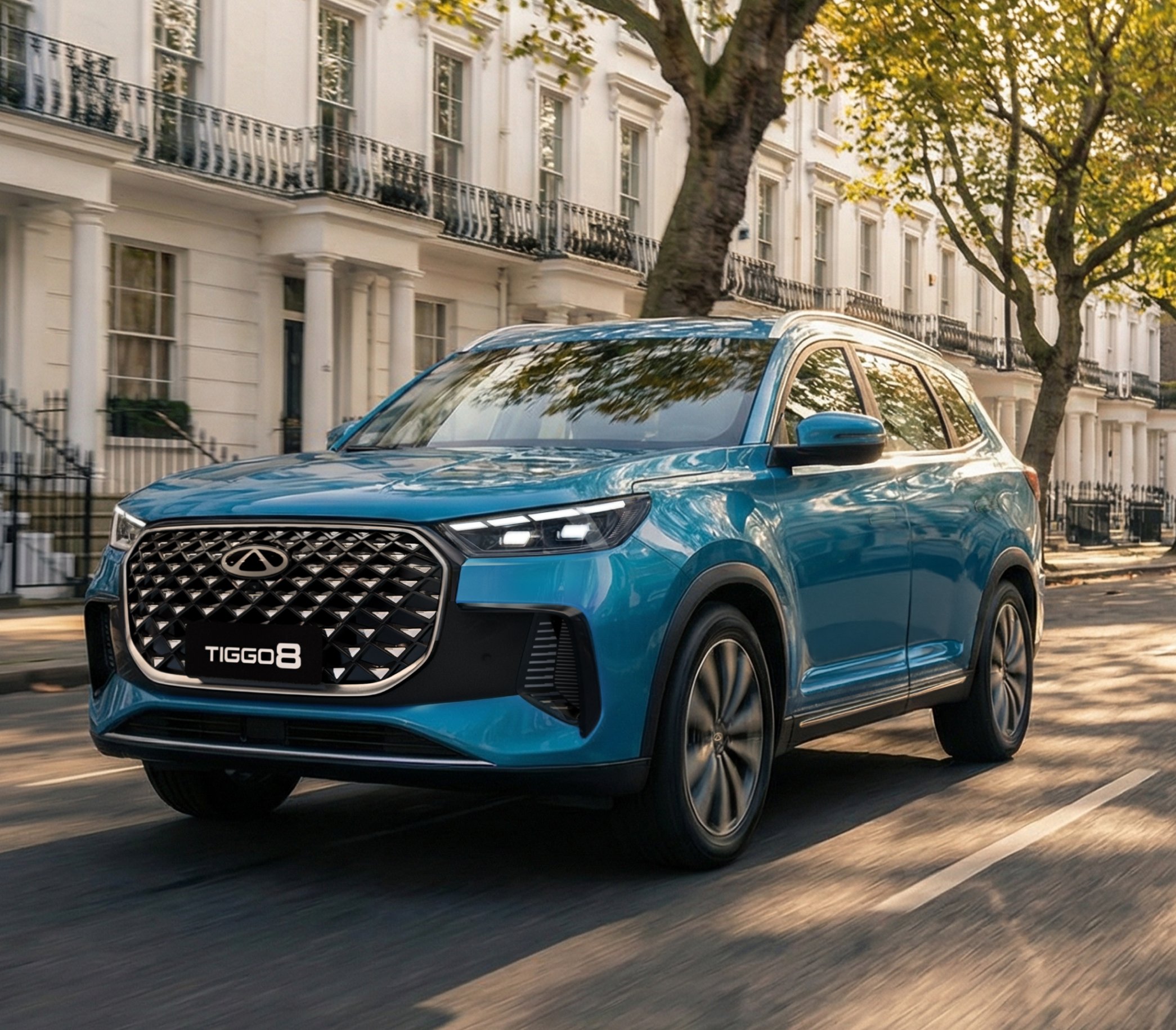
The output was a modular motion design toolkit spanning digital, print, social, and web — flexible enough to serve multiple simultaneous campaigns and controllable enough to replace a production shoot wherever the brief allowed. The same system served broadcast at the previs and look development stage, feeding directly into TVC production pipelines and significantly reducing the cost and time of early creative development.
Delivery
The methodology's most complete application was the Go Like Mo campaign, in partnership with Sir Mo Farah. It was used first to generate rapid concept visuals for stakeholder approval, then for look development that fed into the full TVC production. Post-shoot, 3D data and photography captured on set were reingested into the system to produce a suite of digital and print assets deployed across five out-of-home locations for the London Marathon and broader campaign rollout — demonstrating the full arc of the methodology, from early concept through to scalable, multi-format delivery.
Taken together with the pitch and Phase 1, this body of work represents a sustained proof of concept: that a small, technically fluent creative team, operating with the right methodology, can match the output quality and campaign flexibility of a traditional large-scale production model — at a fraction of the cost and turnaround time.